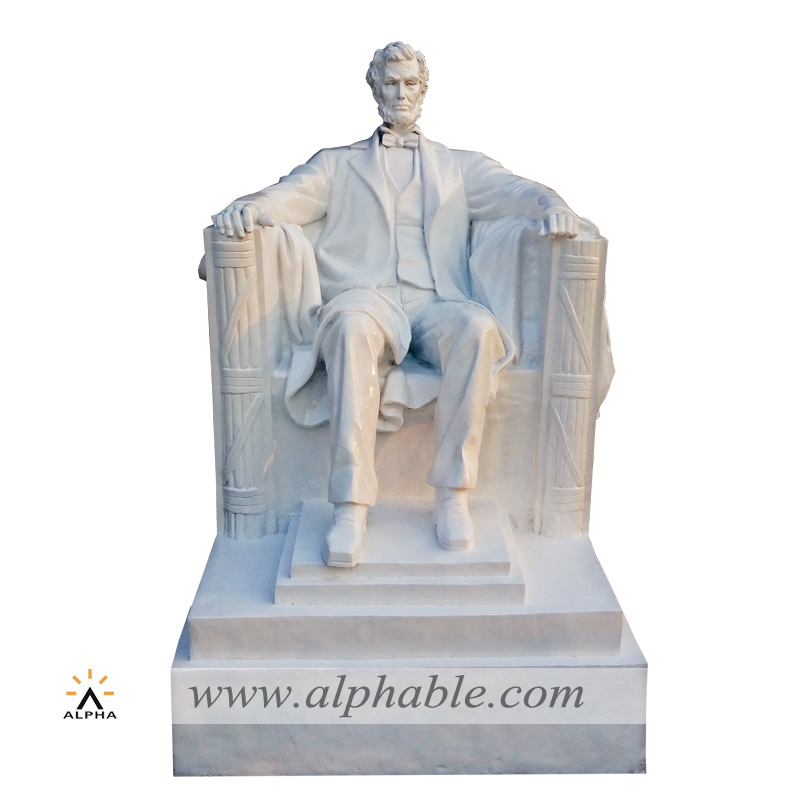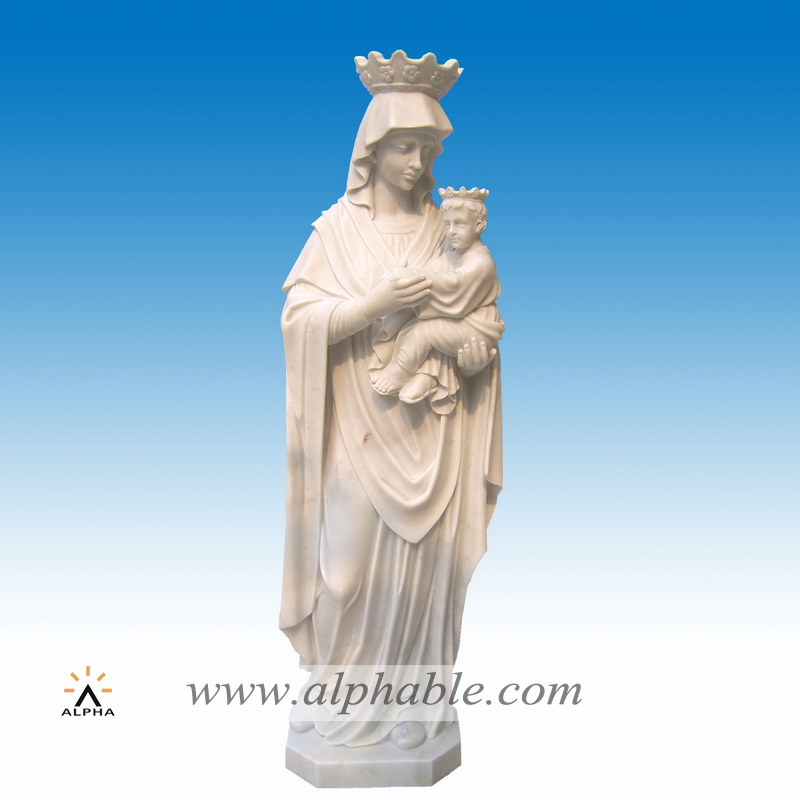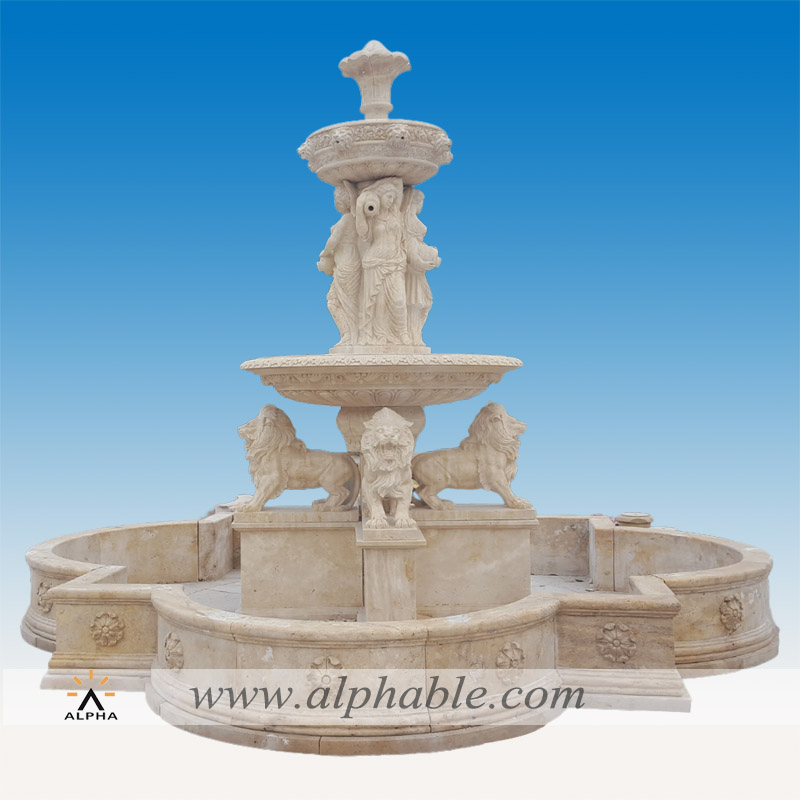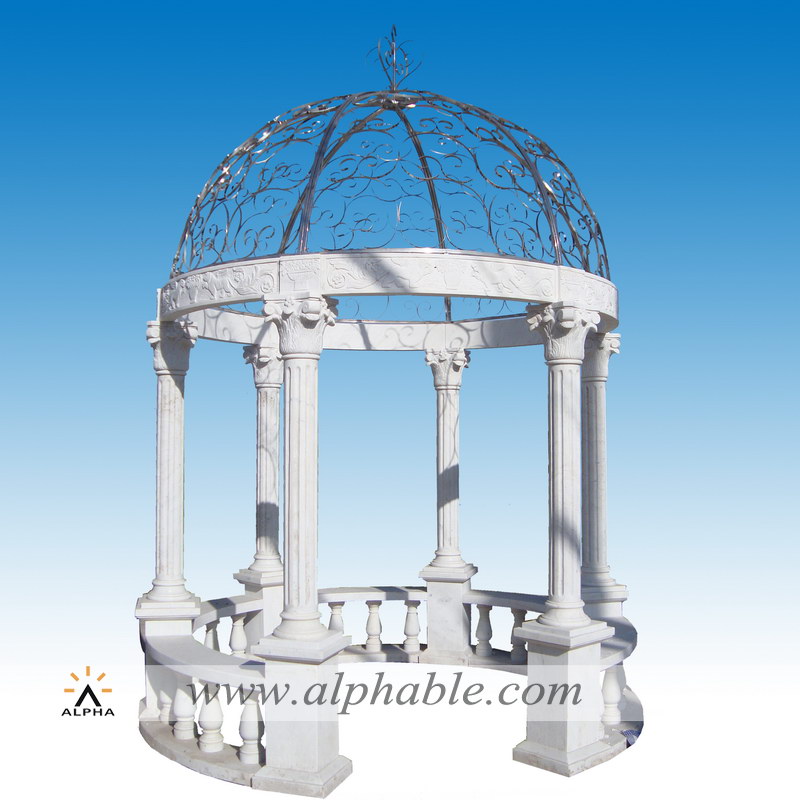
Featured Products

We Supply Sculptures and Stone Products to Whole World

WHY CHOOSE ALPHA SCULPTURE?

Alpha Sculpture has Long History of Marble Sculptures

HIGH QUALITY PRODUCTS

Alpha use high quality raw material for our products. Select good natural and uniform color stones, use international standard bronze/steel material for our sculptures and architectural stone products. Alpha and our partner suppliers implemented with ISO9001 processing quality control management system, inspect quality when goods producing, finished and packing.

LOW PRICES

Alpha company located at Hebei province of China where has stone factories/bronze sculpture foundries/steel sculptures factories/fiberglass sculptures factories/,equiped with advanced machinery and with skilled workers,so cost is lower than most countries. But also we can mix building stones and sculptures in one order and at reasonable prices.

FAST SHIPPING

Experienced manufactures of sculptures and building stones, our workers can work longer time when has urgent orders, so we can make the delivered faster. Alpha company stock normal size sculptures and building stones for sale, all stock goods at good prices and mostly can be shipped in 1-2 week.

Projects Show

About Alpha Corporation

Alpha Sculpture has long history of marble sculptures, factory started on 1993. Experienced of custom carving marble statues, fountains, fireplaces, column,flowerpots,bathtubs,gazebos and so on. Stone materials from China,Italy,Turkey,Greece,Spain,Tunisia,Germany,Portugual etc countries.
FAQ

Let You Know More
How to custom a sculpture?

How to custom a sculpture? Creating a custom sculpture is a creative and rewarding process that involves planning, design, and skilled craftsmanship. Whether you`re making the sculpture yourself or commissioning an artist, here`s a step-by-step guide to help you through the process: Step 1: Define Your Vision Purpose and Theme: Decide the purpose of the sculpture (e.g., decorative, commemorative, functional). Choose a theme or concept that reflects your vision (e.g., abstract, figurative, nature-inspired). Style and Aesthetic: Determine the artistic style (e.g., realistic, modern, minimalist). Consider the overall aesthetic and how it will fit into its intended space. Size and Scale: Decide on the size of the sculpture based on where it will be displayed (e.g., indoor, outdoor, tabletop, life-sized). Budget and Timeline: Set a budget for materials, tools, and labor (if hiring an artist). Establish a timeline for completion. Step 2: Choose the Material The material you choose will influence the sculpture`s appearance, durability, and creation process. Common materials include: Stone (e.g., marble, granite): Durable and classic, but requires carving expertise. Wood: Warm and versatile, suitable for carving. Metal (e.g., bronze, steel): Great for outdoor sculptures and modern designs. Plaster: Often used for molds and prototypes. Resin or Fiberglass: Lightweight and easy to shape. Mixed Media: Combining materials for unique effects. Step 3: Create a Design Sketch Your Idea: Draw rough sketches of the sculpture from multiple angles to visualize the design. Make a Maquette: Create a small-scale model of the sculpture using clay, foam, or other materials. This helps refine the design and proportions. Digital Modeling (Optional): Use 3D modeling software (e.g., Blender, ZBrush) to create a digital version of the sculpture. This is especially useful for complex designs or CNC machining. Step 4: Create the Sculpture Build the model (if needed): For clay or plaster sculptures, create a wire or wooden frame to support the material. Shape the Sculpture: Add material (e.g., clay, wax) to the armature and begin shaping the sculpture. For stone or wood, start carving away excess material to reveal the form. Refine the Details: Use finer tools to add details and textures. Continuously step back to assess proportions and make adjustments. Smooth and Finish: Sand, polish, or smooth the surface as needed. For clay sculptures, let it dry or fire it in a kiln. Step 5: Casting (if applicable) If you’re creating a mold for casting: Make a mold of the original sculpture using silicone, plaster, or other materials. Pour the casting material (e.g., resin, bronze) into the mold. Remove the mold and clean up the cast sculpture. Step 6: Final Touches Patina or Paint: Apply a patina to metal sculptures or paint the surface for color and texture. Seal or Protect: Use a sealant or protective coating to preserve the sculpture, especially for outdoor pieces. Step 7: Installation For large or heavy sculptures, ensure proper installation with a stable base or mounting system. Consider lighting and placement to enhance the sculpture’s visual impact. Tips for Success Start Small: If you’re new to sculpting, begin with smaller, simpler projects to build your skills. Experiment: Don’t be afraid to try different materials and techniques. Seek Feedback: Share your work with others to gain insights and improve your design. Work with an Artist: If you’re commissioning a sculpture, collaborate closely with the artist to ensure your vision is realized. Creating a custom sculpture is a blend of artistry, technical skill, and patience. Whether you’re crafting it yourself or working with a professional, the result will be a unique and meaningful piece of art. (1), Consultation: Discuss your requirements, including the size, material, finish, and any specific details you want to emphasize. (2), Approval: Review a model or sketch of the sculpture before carving begins. (3), Crafting: Skilled artisans will work on the piece, with regular updates to ensure it meets your standards. (4), Finalization: Once complete, the sculpture is polished, inspected, and prepared for delivery.